
Imagine a business owner looking at a quiet appointment calendar. The instinct is to buy more traffic, launch a giveaway or ask AI for a hundred marketing ideas. But the problem might be smaller: inquiries are arriving, and nobody is answering them consistently.
Small business growth strategies work best when they address a specific constraint. AI can speed up investigation and production. It cannot tell you that a campaign succeeded without reliable evidence. Start with one of these seven experiments and give it a clear question, owner and review date.
1. Find where interested people get stuck
Trace the path from first visit to completed purchase or booked appointment. Check the actual mobile experience. Does the phone link work? Is the form confirmation clear? Does someone receive the inquiry? Write down each failure before changing the design.
Use AI to organize anonymized feedback into categories such as confusing offer, unavailable service or difficult booking. Read the underlying comments yourself. A model may combine different problems because the wording looks similar. Choose the problem closest to a buying decision, then test one repair.
2. Make follow-up dependable
Create an inquiry record with the source, requested service, contact permission, owner and next action. Build a confirmation that explains what happens next without promising a response time you cannot meet. Test it with your own submission before adding traffic.
AI can draft a reply from the customer’s question and approved service information. Require review before it quotes a price, commits availability or answers a sensitive question. Measure the share of real inquiries that receive the planned follow-up, then track appointments that actually occur.
3. Give subscribers one useful next step
Choose a common customer question and create a short welcome email that answers it. A business selling indoor plants might explain how to choose a location before discussing products. Help the subscriber make a decision instead of sending a catalog immediately.
Mailchimp documents AI email sections generated from source text or URLs. Use an approved page as input, then check every product detail and link. Email permission records and unsubscribe handling still need to work regardless of how the copy was written.
4. Turn one good explanation into several useful assets
Record a clear answer to a question customers repeatedly ask. From that source, create an article, a demonstration and a checklist. Each format should help in a different situation: the article explains choices, the video shows the process and the checklist supports action.
Ask AI to identify possible excerpts, but retain the original recording and confirm the meaning. Do not turn a qualified statement into a universal claim to make a clip shorter. Track relevant visits, replies and inquiries rather than the number of assets produced.
5. Make referrals easier to act on
After completing good work, give customers a page they can share with someone who has the same need. State who the service suits, what happens during an inquiry and how to get started. A referral is easier when the recipient does not have to decode your business.
Keep any referral reward separate from reviews, and approve its terms before offering it. AI can help draft the explanation and flag missing details; it cannot approve commercial terms or determine whether an arrangement meets every rule applying to your business.
6. Ask for honest feedback without buying praise
Send a neutral review request after a genuine interaction. Use a consistent process rather than selecting only people expected to give a high rating. Google prohibits review incentives. The FTC addresses fake testimonials and incentives conditioned on sentiment.
Never use AI to invent a customer story. It can help draft a careful response to a real review, with private details removed. Look for repeated service problems in feedback, then fix those problems before asking marketing to cover them.
7. Revisit customers with a relevant reason
Review what customers already bought and which next need you can responsibly anticipate. An equipment seller might send maintenance guidance tied to the purchased model. Avoid guessing sensitive personal circumstances or treating every past customer as permission for every channel.
Test one useful reminder with an eligible segment. Compare repeat purchases, replies and opt-outs with the effort involved. If it creates confusion or complaints, stop and inspect the selection logic.
Keep a small experiment log
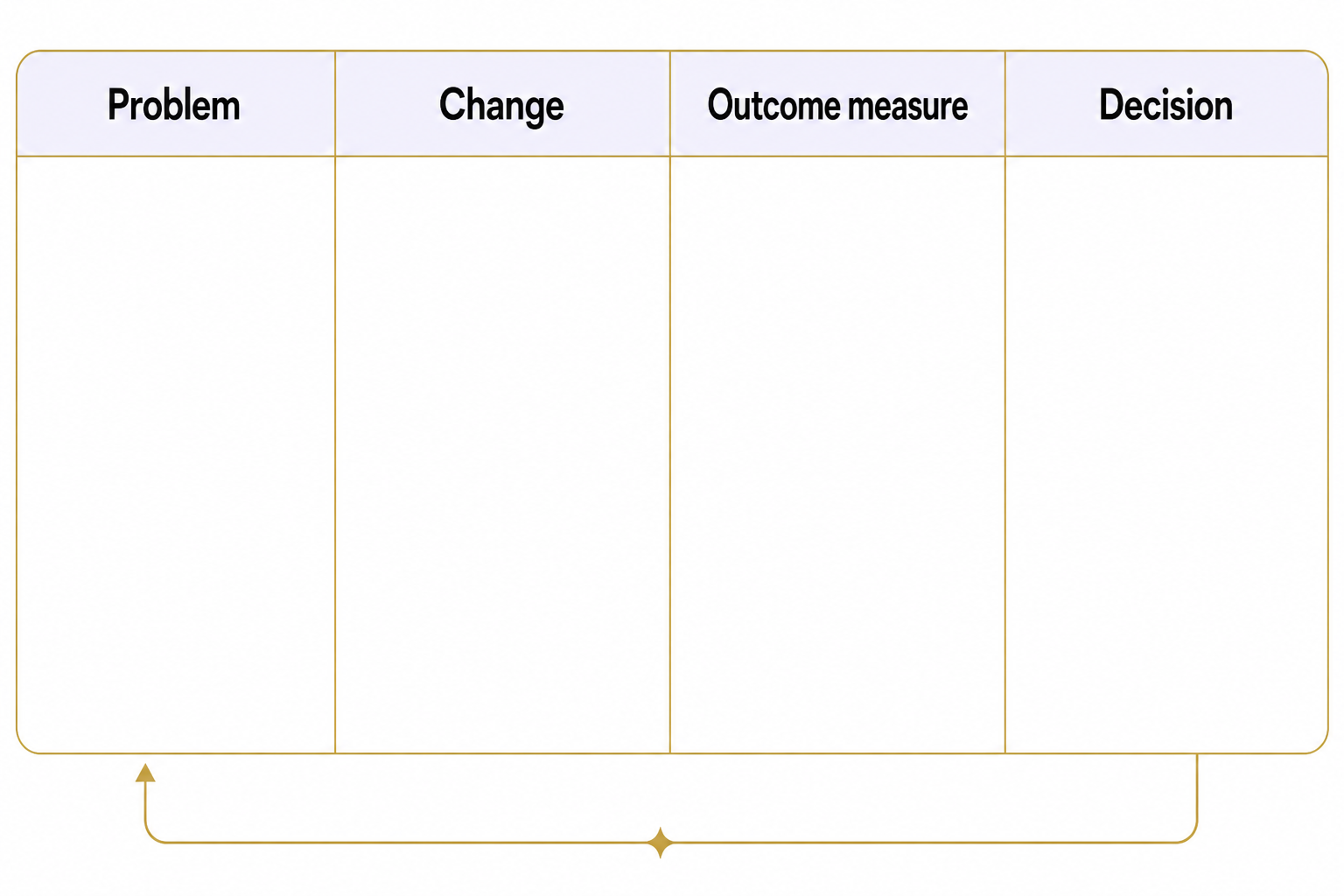
For each test, record the problem, change, baseline, outcome measure and decision. Include production time and follow-up workload. A rise in clicks that produces no suitable customers is not evidence to scale. AI can summarize the log, but source records must support every conclusion.
If you need help identifying the first bottleneck, schedule a discovery call with Eastmoor Digital.
Sources & further reading
Primary references checked for this refresh. Availability and platform behavior may change.
- Mailchimp: Create email content with AIChecked 2026-08-31
- Google Business Profile: Tips to get more reviewsChecked 2026-08-31
- FTC Consumer Reviews and Testimonials Rule Q&AChecked 2026-08-31